History
"The more you know about the past the better your prepared for the future " - Theodore Roseovelt
Welcome to History at Acklam Whin
At Acklam Whin, we want to inspire and develop our children to want to know more about the past and to think and act as historians. We believe igniting a child’s curiosity for history enriches their imagination and fosters a sense of their own identity. As our children journey from Year 1 to Year 6 our history curriculum builds on the foundations laid through Knowledge and Understanding of the World in EYFS. We intend to develop a coherent knowledge and understanding of Britain’s past and the wider world.
Our Approach
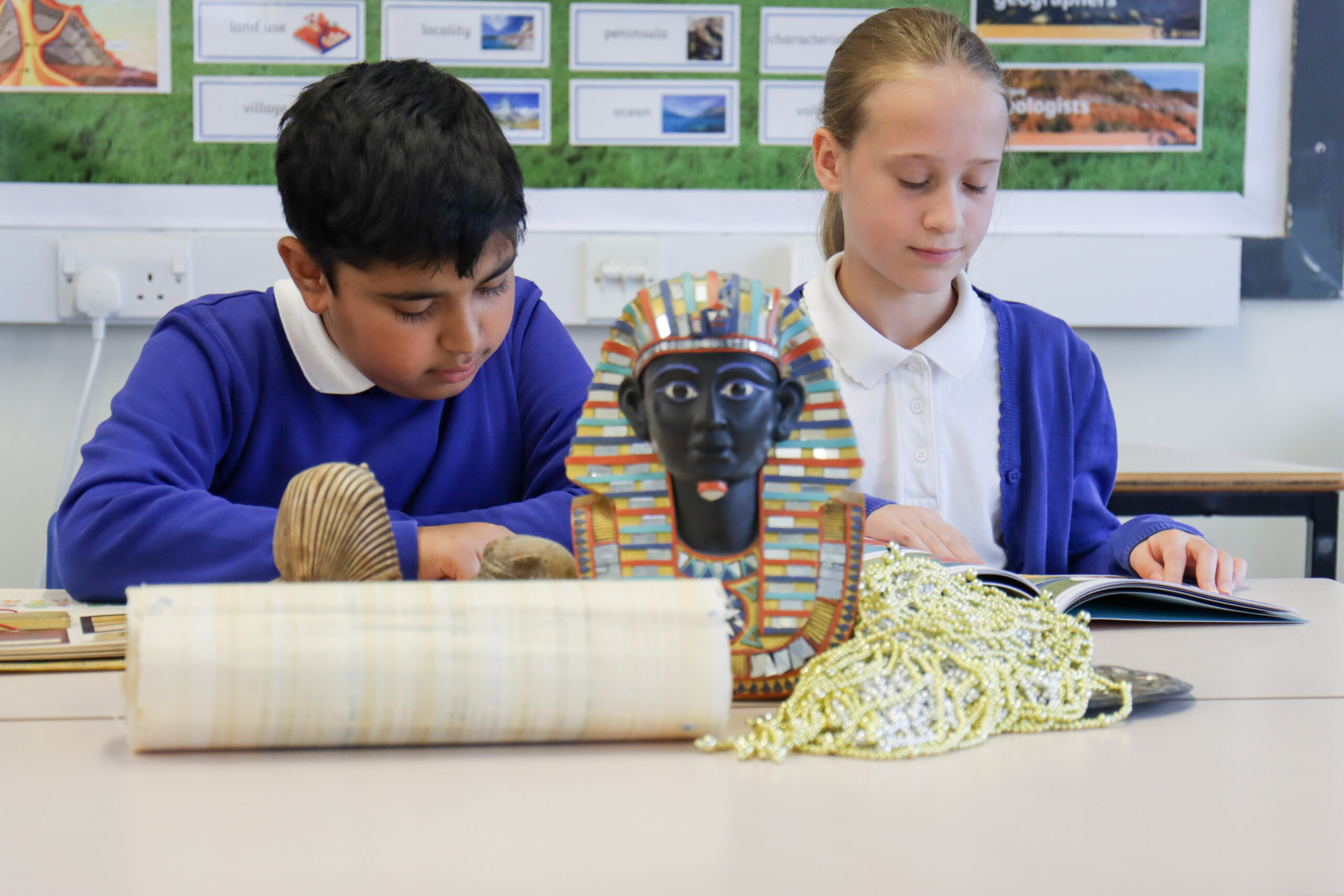
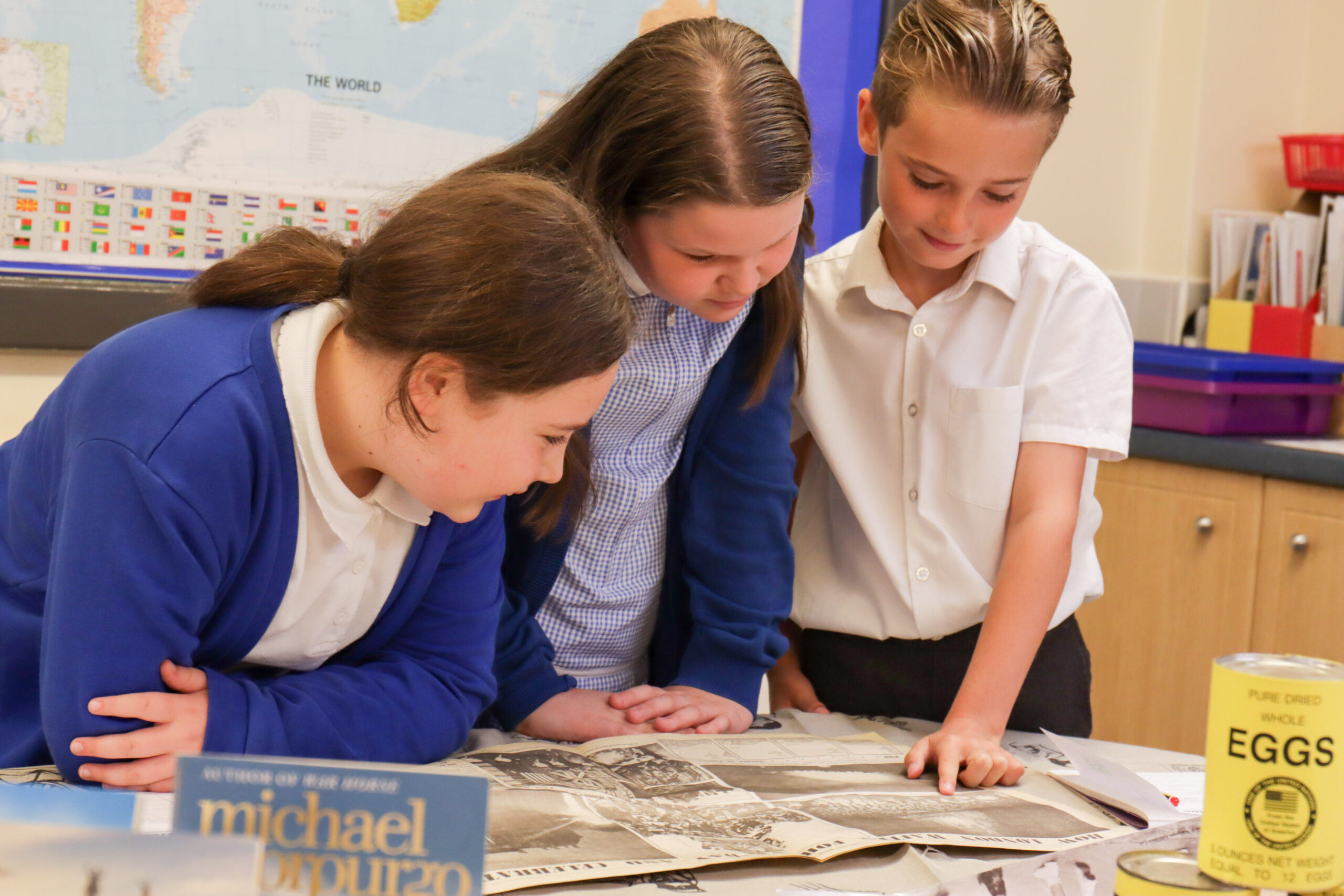
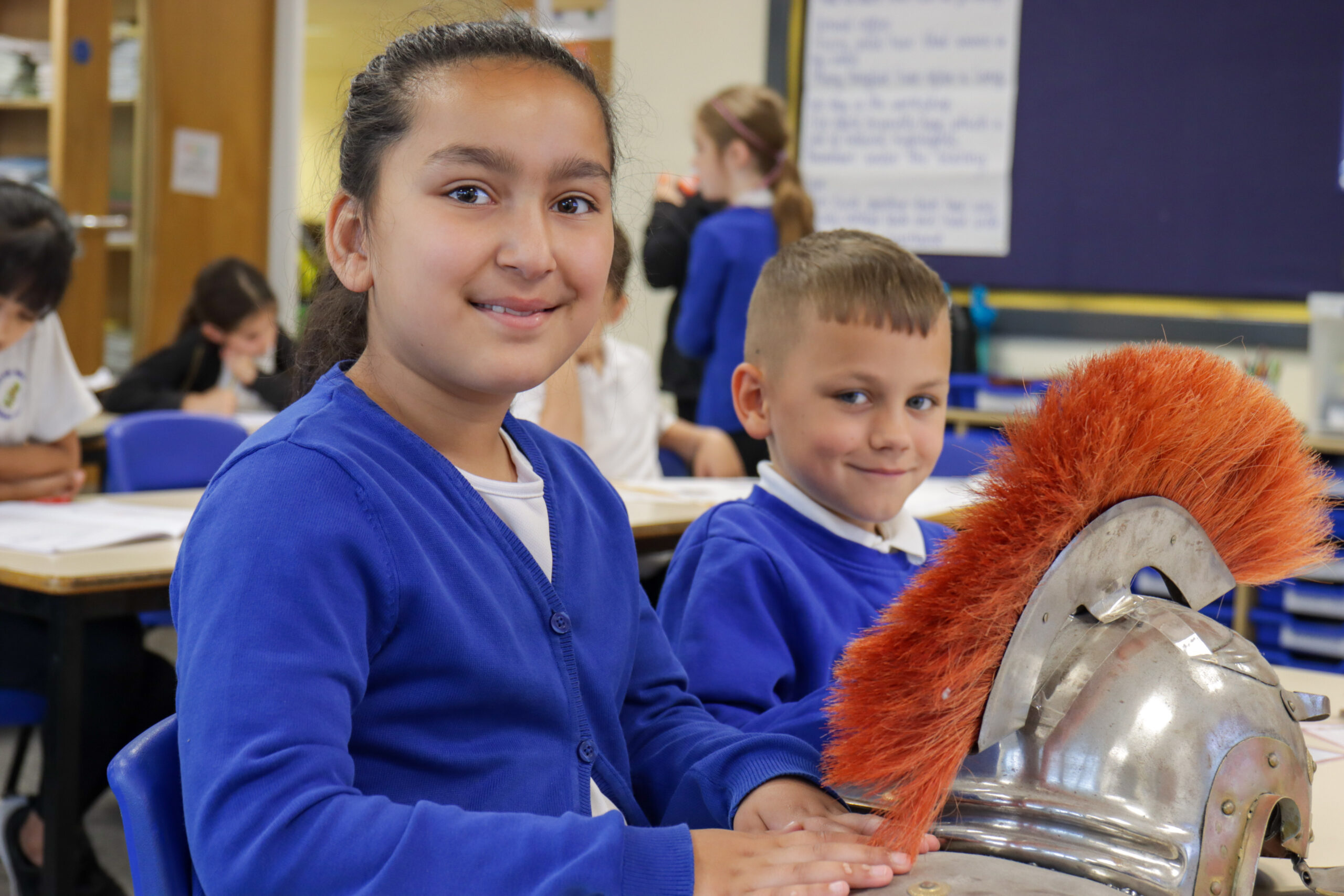
An integral part of the curriculum is our enquiry-based approach, which supports the development of historical skills and concepts. We view history as an opportunity to develop the skills of enquiry, questioning and critical thinking and use strategies to deepen understanding and commit it to long term memory. We enrich our curriculum and discover knowledge about the past in a fun and engaging way through valuable experiences such as workshops, visits to historical sites/museums and hiring resource boxes of artefacts. Through our history curriculum, we build on their understanding of the importance of British Values, including democracy, the rule of law, individual liberty, tolerance and respect, alongside improving their spiritual, social, moral and cultural understanding. We want to instil in our children a sense of pride about where they live and an understanding of their local heritage and how it relates to the national story. We are proud to have been awarded heritage school status through Historic England.
Laying the Foundations
At Acklam Whin, we begin to nurture natural curiosity, questioning, and observation skills in our Early Years Foundation Stage (EYFS) children. Understanding the World is one of the specific areas of the EYFS curriculum, enabling children to develop their understanding of the concepts ‘then’ and ‘now’. Through exploring their own personal history and sequencing familiar stories and events, they have experienced, children begin to grasp the concept of chronology and learn to use language connected to the passing of time. This foundational knowledge and skills become stepping stones that are essential for our children’s future learning in history.
Big Ideas
Our curriculum is clearly sequenced to ensure ‘Big Ideas’ (substantive concepts) such as chronology, civilisation, invasion, monarchy, religion and legacy are interwoven throughout. Children are able to connect these ideas through talking about our Acklam Whin Road Map. Alongside this, children discover the skills of how to think and work like a historian (disciplinary knowledge). Our children understand the concepts of continuity and change, cause and consequence, similarity and difference and significance to make connections. We place great importance on their understanding of historical vocabulary ensuring they can use it effectively and accurately. Children enjoy a range of quality fiction and non-fiction historical literature which further engages their knowledge and interest. They understand how and why contrasting arguments and interpretations of the past have been constructed.
Knowing more, Remembering more
Achievement is defined at Acklam Whin as children being able to know more, remember more and do more. At Acklam Whin, we are committed to ensuring that our students make excellent progress across the history curriculum through assessments of both knowledge and skills. Historical knowledge is taught in meaningful contexts and in a connected way to enable our children to develop links across units. Each unit of work has built in practice, retrieval and reinforcement of key historical concepts to ensure knowledge ‘sticks’ in children’s long-term memory. At the end of each unit of work, children complete a multiple-choice quiz and answer a probing historical question to demonstrate their learning. Additionally, they have the opportunity to engage in discussions with their teachers, where they can articulate and reflect on their understanding of the knowledge taught.